
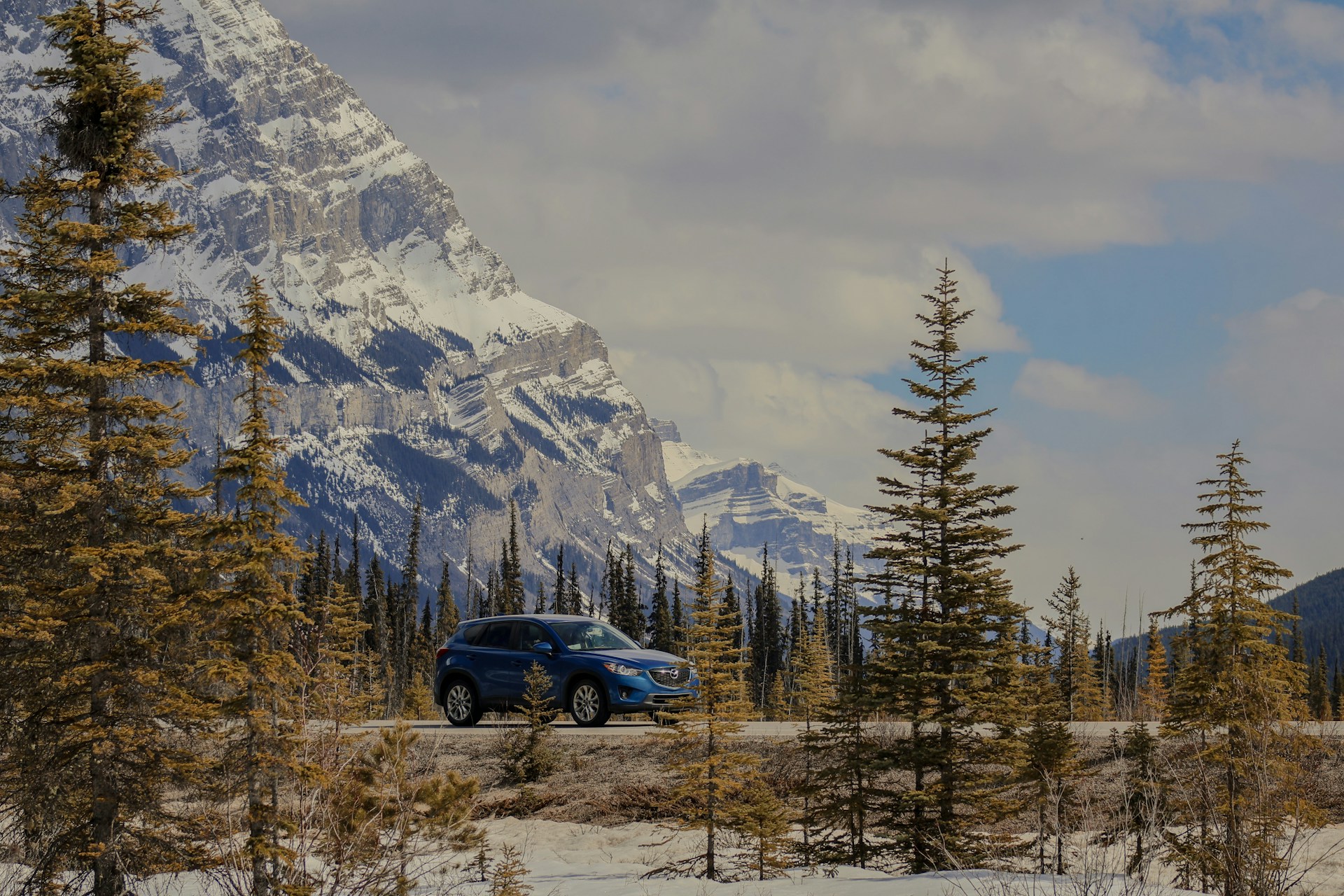
Canada is one of the most diverse travel destinations in the world. There are many dramatic coastlines and mountain ranges, and lots of vibrant cities and vast wilderness that the country offers to every type of traveler. However, its size, climate, and regional differences mean that good preparation makes a real difference. These five travel tips will help you plan smarter, travel more comfortably, and get more out of your Canadian adventure.
Before You Go
Most visitors from visa-exempt countries need an Electronic Travel Authorization (eTA) to fly into Canada.
Canadian healthcare is excellent but expensive for visitors without coverage, making travel insurance a must.
1. Plan for Distance, Not Just Destinations
Canada looks manageable on a map, but distances between cities and regions are often much larger than expected. A drive that appears short can easily turn into a full-day journey, especially in rural areas or national parks.
Focus on fewer regions and allow enough time to experience them properly. For example, a week in the Rockies might cover Calgary, Banff, and Jasper with time to actually enjoy each location. Trying to add Vancouver to that same week means spending more time driving than exploring.
Trains and domestic flights are efficient between major cities, while renting a car offers flexibility for exploring remote areas.
2. Prepare for Rapid Weather Changes
Canada’s climate varies widely. Coastal regions like Vancouver tend to be milder, with winters rarely dropping below freezing, while Toronto winters average around -6°C and prairie cities can see temperatures plunge to -30°C or colder.
Layered clothing is essential year-round. Even in summer, evenings can be cool, especially near lakes or mountains. In winter, proper insulation and waterproof gear are non-negotiable.
The best time to visit depends on your destination. British Columbia’s coast is ideal from May to September for hiking, while eastern cities like Montreal and Toronto are beautiful in fall but can be hot and humid in summer.
3. Plan Your Downtime Options: Online Casinos Are Legal in Canada
Long travel days and active itineraries benefit from built-in downtime. Balancing exploration with rest prevents burnout and lets you enjoy each destination more fully. Most Canadian cities offer excellent dining, craft breweries, live music venues, and cultural events that are worth experiencing at a relaxed pace – places like Bar Pompette and Mon Lapin are very much worth a visit.
For visitors who enjoy digital entertainment, Canada’s regulated environment makes it straightforward to access online options during hotel evenings or travel days. Those looking for the best online casinos in Canada often choose platforms, like the ones, rated here for their licensing standards, game selection, and user experience. Knowing which platforms operate legally ensures a hassle-free experience as part of your downtime routine.
4. Take Advantage of Canada’s Outdoor Access
One of Canada’s greatest strengths is how accessible nature is, even from major cities. National parks, coastal trails, and forest reserves are often just a short drive away, with options for every fitness level.
For people interested in exploring on foot, planning ahead is important. Hiking through trails like Haida’s and Lake Agnes Trail are some of the more peaceful and rewarding ones you could undertake in Canada.
If visiting popular national parks like Banff or Jasper during peak season, book accommodations well in advance through the Parks Canada reservation system. Sites often fill up months ahead for summer weekends.
Basic wildlife safety is important in many regions. Bears are common in British Columbia and Alberta. Carry bear spray in wilderness areas, make noise on trails, and store food properly.
5. Respect Regional Differences and Cultural Norms
Canada is welcoming and easygoing, but customs can differ by province. Tipping is expected in restaurants, taxis, and personal services, usually between 15 and 20 percent. Canadians value politeness and personal space, and small courtesies go a long way in everyday interactions.
Quebec presents unique considerations. French is the primary language in Montreal and Quebec City, and while many people speak English, learning a few basic French phrases is appreciated and helpful. Cultural pride runs deep, and showing respect for the francophone heritage enhances your experience.
Indigenous lands and protected areas often have specific guidelines that visitors should follow. Many regions offer authentic Indigenous cultural experiences worth seeking out, and showing respect for protocols and traditions is both expected and appreciated.
Connectivity and Payments
Purchasing a local SIM card from carriers like Rogers, Bell, or Telus often saves money and improves coverage. These are available at airports and convenience stores. Cell coverage can be spotty in remote areas, so download offline maps before heading into wilderness regions.
Credit cards are widely accepted, including contactless payments, but carry some cash for small towns or local markets. Budget realistically: expect to pay $150-250 per night for mid-range hotels in major cities, and $15-25 for casual meals.
Final Thoughts
Traveling through Canada is an experience shaped by preparation, awareness, and flexibility. By planning realistically, adapting to the climate, respecting local norms, and balancing activity with rest, visitors can enjoy the country without unnecessary complications. These tips provide a solid foundation for exploring Canada with confidence and comfort, no matter where your journey takes you.